
Remanufacturing is our core business. We’ve been remanufacturing automotive brake parts for over 25 years. What we learn in the workshop, we apply to the parts we manufacture and sell. The kits and pistons you purchase, stem from our fundamental knowledge of what works, and what doesn’t. This is why we’re trusted in motorsport applications. When it comes to the Ford Ranger Raptor winning some of the worlds most grueling and testing races with standard brakes, the theme of this article is, “What’s good for the goose is good for the gander”.
News

Written by Cameron Parker
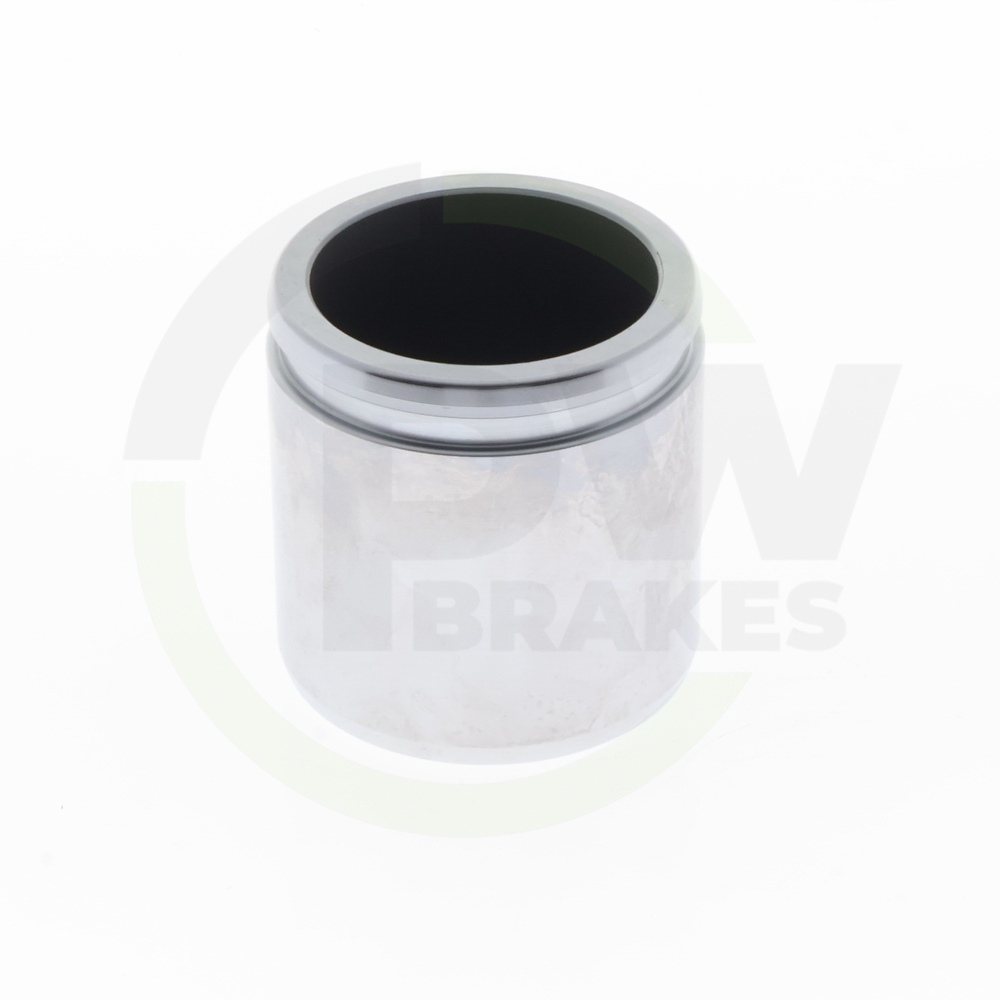
PW16438 Heavy Duty Steel Pistons – Proven in the Baja 1000, Mint 400 and Finke Desert Race

Ford Ranger Raptor
Ford Performance USA has been doing some impressive stuff and has seen great success. Recently, their Ranger Raptor successfully smashed the Finke Production 4WD class record on the way to winning for a third year in a row. The Raptor also claimed victory in the Stock Mid-Size class at The Mint 400 earlier in the year, they’re surely set to be undefeated at the Baja 1000.
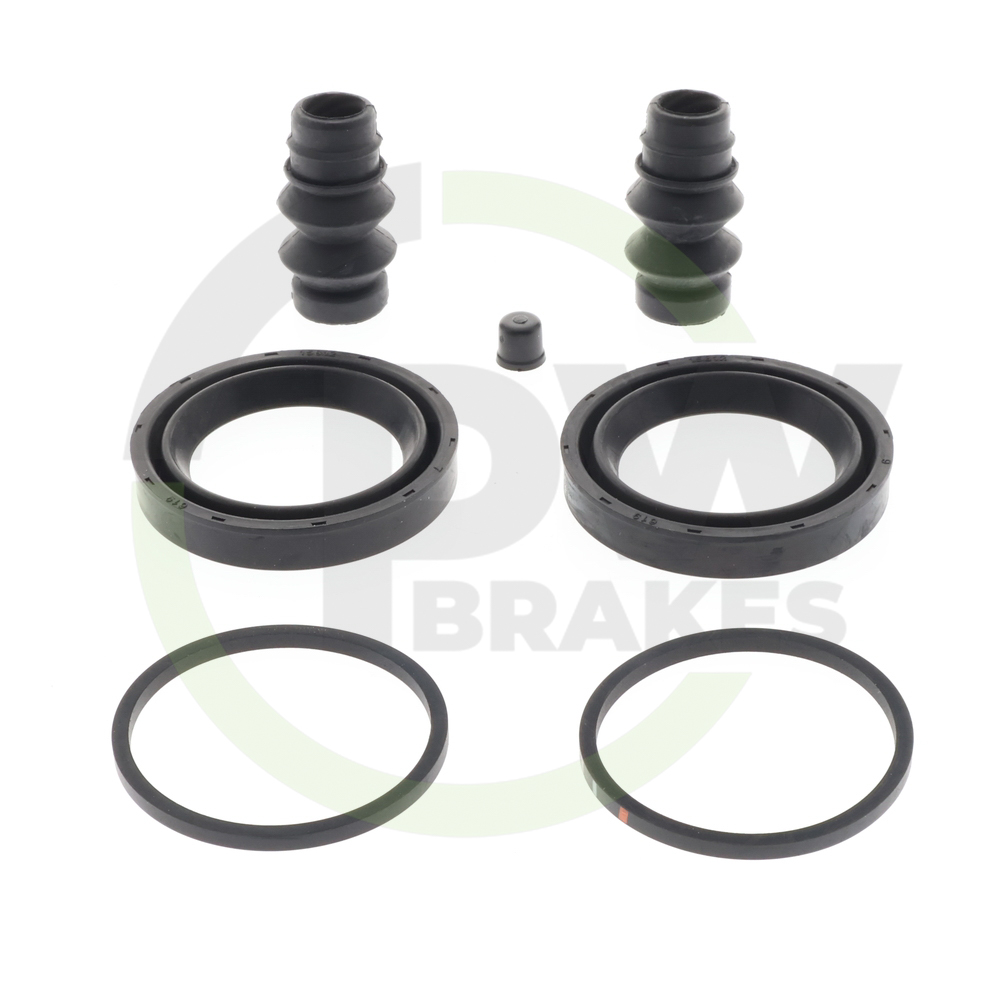
What brakes do they use for these beasts, in the most grueling and demanding conditions? The rules do not allow the fitment of larger brakes. Yes you heard us right – STANDARD BRAKES! If the standard brakes can perform in such conditions like motorsport events such as the Baja 1000, do you really need a big brake upgrade on your street driven Raptor? Enter Partswise – 1st to market to identify the weak link in the Raptors brakes – the phenolic pistons and produce steel replacement pistons along with high temperature boots and seals. The fact is, the Ranger Raptor isn’t under braked, all they need is Partswise steel replacement pistons and seal kits and some quality rotors and pads. Just like what’s used in the Ford Performance Ranger Raptor.

Why Upgrade?
For any factory souped-up vehicle out there, there will always be “make it better” parts that quickly flood the market. We all like to think we grow up and become mature in aftermarket purchases for our cars, but really, we just have more budget! Sure, some of these parts we buy ‘could’ make the vehicle better, free of red tape the OEM would have to adhere to. You know, like those parts you buy that say on the box “for off-road use only”….riiiight, sure, I won’t use it on my street car, I promise.
There are benefits in upgrading your brakes to a mono-block 6 piston caliper and braided lines. It does present better “brake feel”. A mono-block caliper, in basic terms is more rigid over a “floating style” caliper, found standard on the Ranger Raptor. The braided lines in these kits also help with expansion of the hose under higher pressure applications, directing more force to the pistons, giving that ‘positive’ feel.
BUT… is the hefty price tag worth it when you could have your own braided lines made and address the underlying issue with the standard brakes in heavy brake applications. We think not.
What’s the issue?
Sometimes for global platforms you see parts fail due to, well, simply not being matched for the climate, conditions or even use. The Ranger Raptor’s brakes use the dirty word ‘Phenolic Pistons’. The forever, swelling, cracking and seizing caliper piston. If you haven’t read our Tech Article on this, you should do so for more information. The short of it is this, they’re cost effective (for the manufacturer) and a good choice in colder climates for corrosion resistance, especially with salted roads. But for us in a hot climate zone, putting demanding loads on the calipers, they simply can’t cope. This leads to poor brake performance and at worst, cracking and binding due to high heat loads.
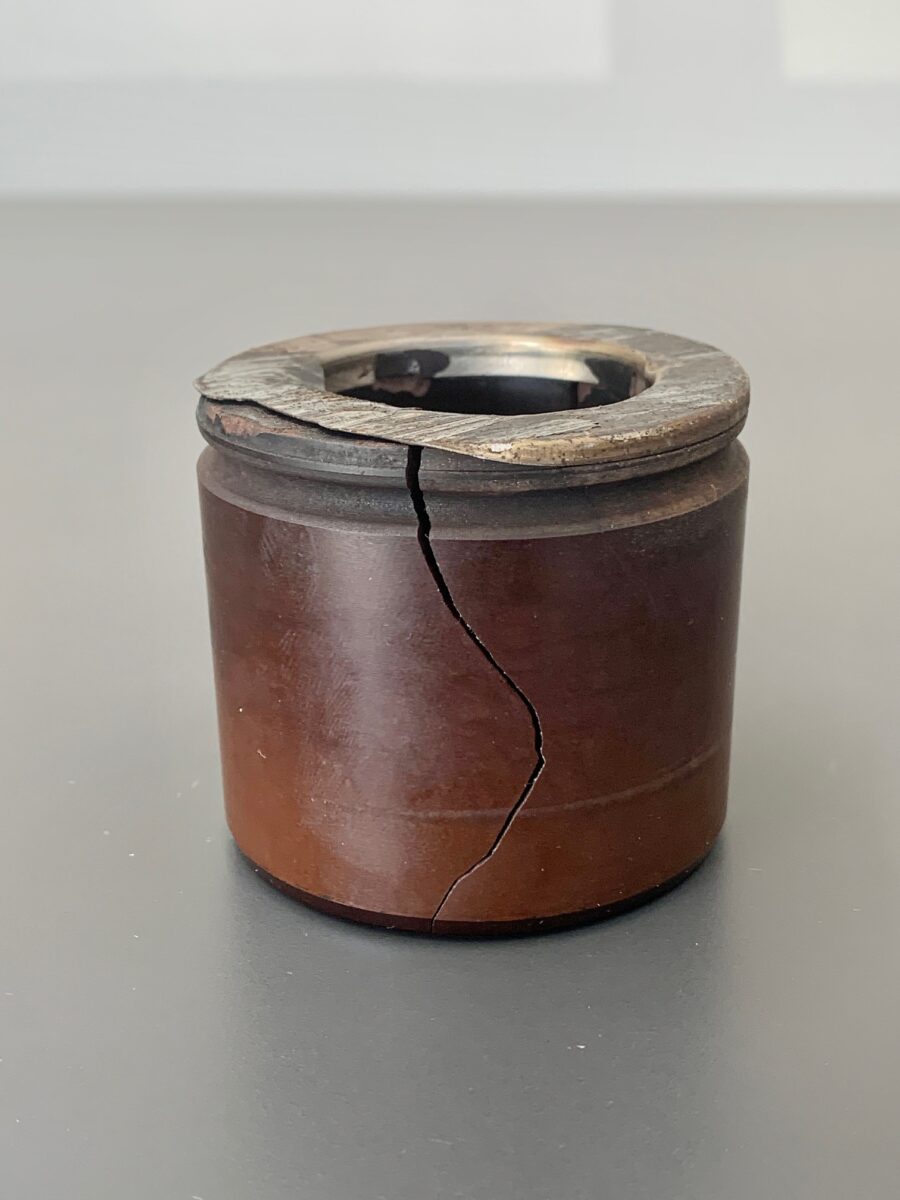
Ford Performance experienced poor braking and cracking pistons due to the extreme heat and conditions the caliper were enduring. This is how they found us for the solution.
What’s good for the goose is good for the gander
For the PY Ranger Raptor however, it’s case and point of when engineers get it right, everything except the phenolic pistons (for us in Australia at least). If the brakes fitted from factory can withstand motorsport application with just a minor tweak. Then as the saying goes “what’s good for the goose, is good for the gander”. Your street driven PY Ranger Raptor does not need a brake ‘upgrade’ to a 6 or…urr… ’20 piston’ caliper. It already has decent brakes with a large brake pad area.

What do I need to do?
There’s a very simple solution which we have offered for years, for many vehicles found with phenolic pistons. Hard-chromed steel pistons. Yep, that’s actually all you need along with high temperature seals and a few other tweaks to improve your Rangers braking performance and reliability. Perhaps even some braided lines to improve the “feel” some more and some slotted rotors and high quality pads.

In Summary
We aren’t saying the “big brake” upgrade kits don’t provide a better brake pedal feel and a marginal decrease in stopping distances , but in terms of performance and reliability, well, there’s no need to spend thousands to get that. The phenolic pistons are the Achilles Heel of these calipers under higher load. The heat swells the pistons and cracking can occur. This is what the Ford Performance team discovered and why they turned to us to supply our 1st to market steel pistons. Their Ranger Raptor has now seen success in races with no more brake issues. Again, but in different words, “what’s good for a race car, is good for your road car”.
Like and follow us to keep up with the latest product releases, news and technical articles.
Order Yours Today!
Get in Touch
"*" indicates required fields